Identify known material groups
List the expected general debris and any stored items or suspect materials separately. Existing reports can help define the discussion. Do not open containers or disturb an unknown building material to classify it for the enquiry.
Check the actual receiver
Halton’s waste site publishes accepted-material and load conditions. Other facilities may have different rules. Ask the party arranging disposal to confirm the intended material and load with the receiver rather than assuming access to a household service.
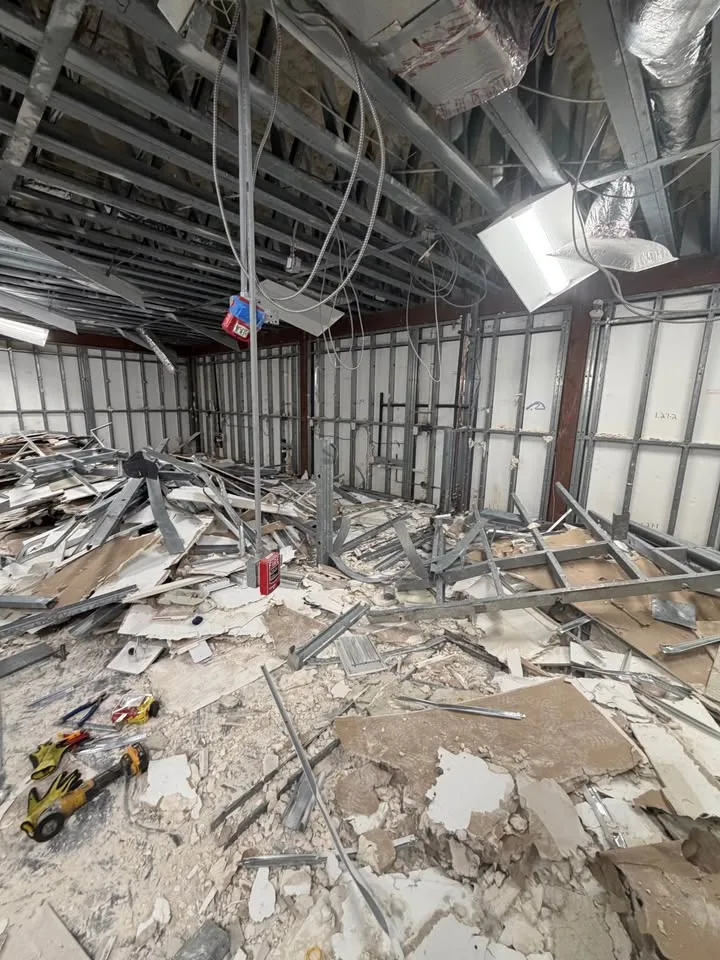
Keep specialist handling distinct
Hazardous-material assessment and removal are not implied by a general demolition scope. A material that needs a specialist process should not be mixed into general debris by default. Ask who owns the assessment and the subsequent handling decision.
Record the arrangement
Confirm who provides any container, who collects it and what documentation the project requires. This site does not claim that every material is recycled, that Otter operates a disposal facility or that every waste stream is accepted.
Household and contractor loads can have different rules
Halton distinguishes its residential household hazardous waste service from commercial loads. Its site also lists conditions for separate material streams and loads needing prior approval. Ask the party arranging disposal to check the actual load with the receiving facility. Keeping an unknown container out of the demolition pile is a useful first step; it is not a disposal instruction.
Useful official information
Halton Region: waste management site
Check current material acceptance and load conditions with the receiving facility.
Sources reviewed 1 November 2026. Confirm the requirements for your actual property and scope.