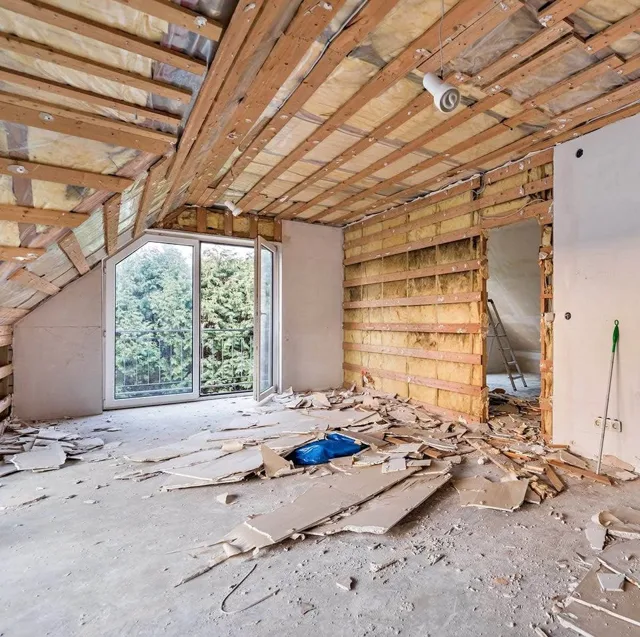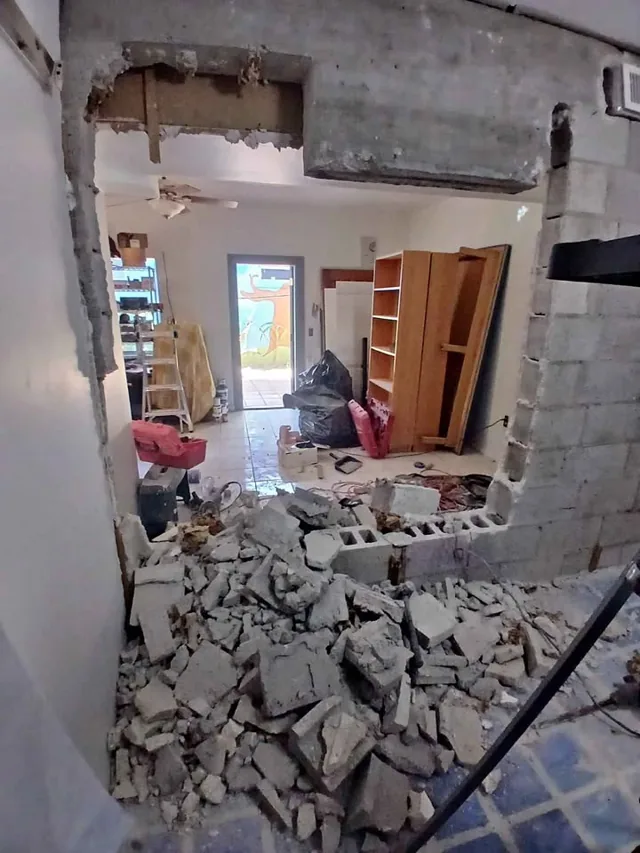
Observe the visible condition
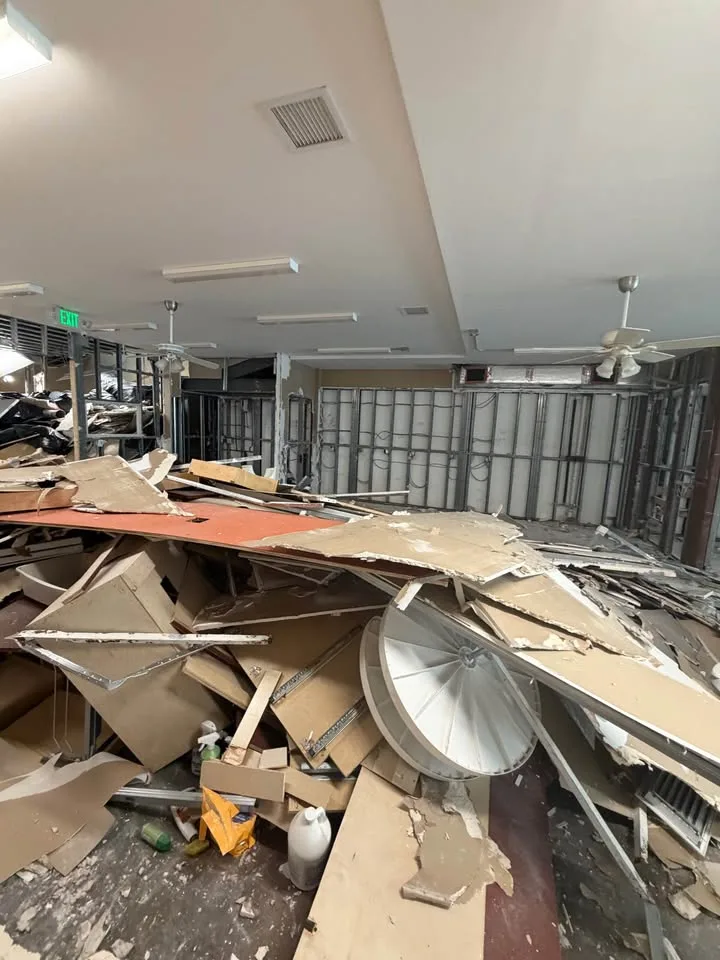
A photograph can show exposed framing, a retained surface or material awaiting removal. It can help you point out the part of your own project that interests you. It does not identify every material or establish the full scope performed.
Keep the missing context visible
Location, date, customer identity, consent and before-and-after order need records beyond a filename. Similar-looking rooms should not be assumed to form a sequence. The Otter gallery uses individual owner-supplied work examples where job attribution is unavailable.
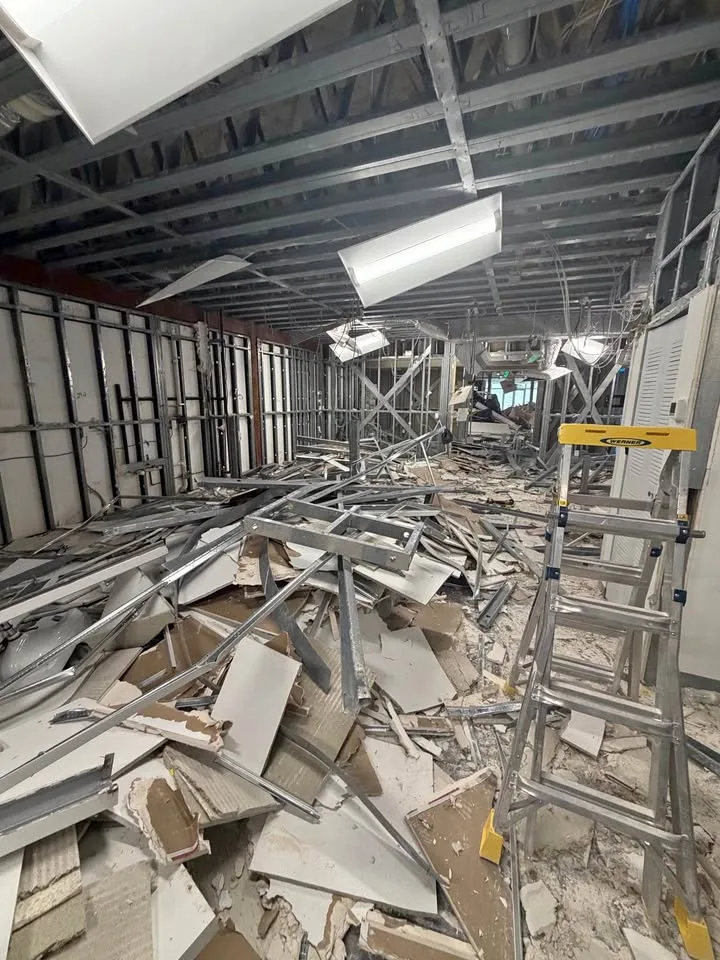
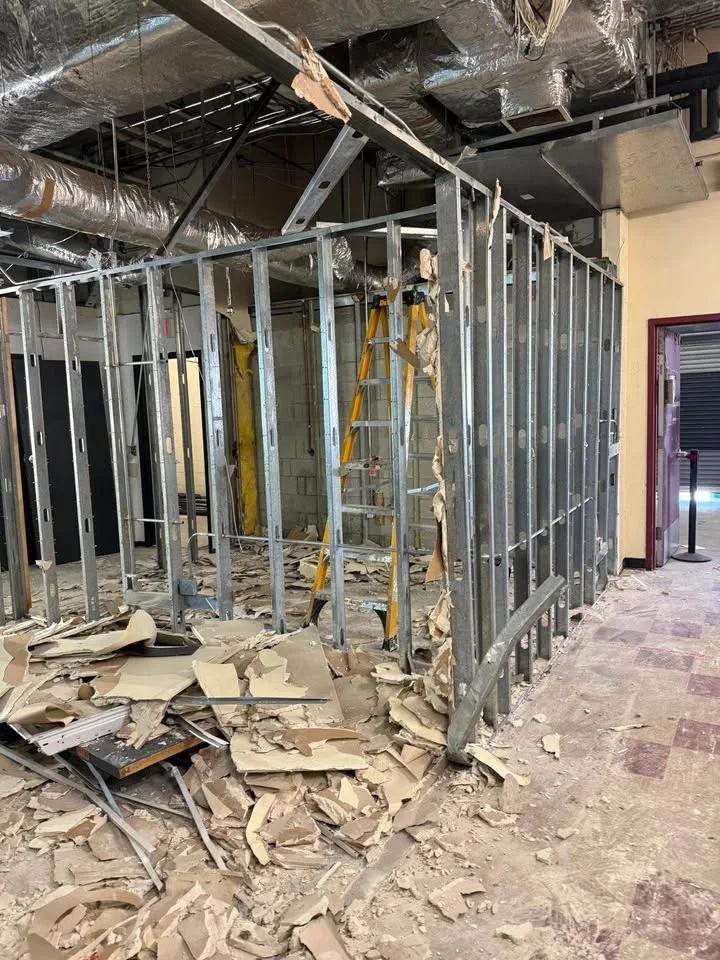
Do not infer a method from a result
A cleared room does not prove particular dust controls, protective measures or a damage-free outcome. Ask about the methods proposed for your actual project instead. A photograph also cannot substitute for structural or hazardous-material assessment.
Use the image to improve the enquiry
Describe the feature you are trying to understand, then connect it to your room, retained items and intended next stage. Ask what additional information would make assessment useful. The goal is a clearer question rather than an unsupported promise.