A smaller boundary needs a clearer description
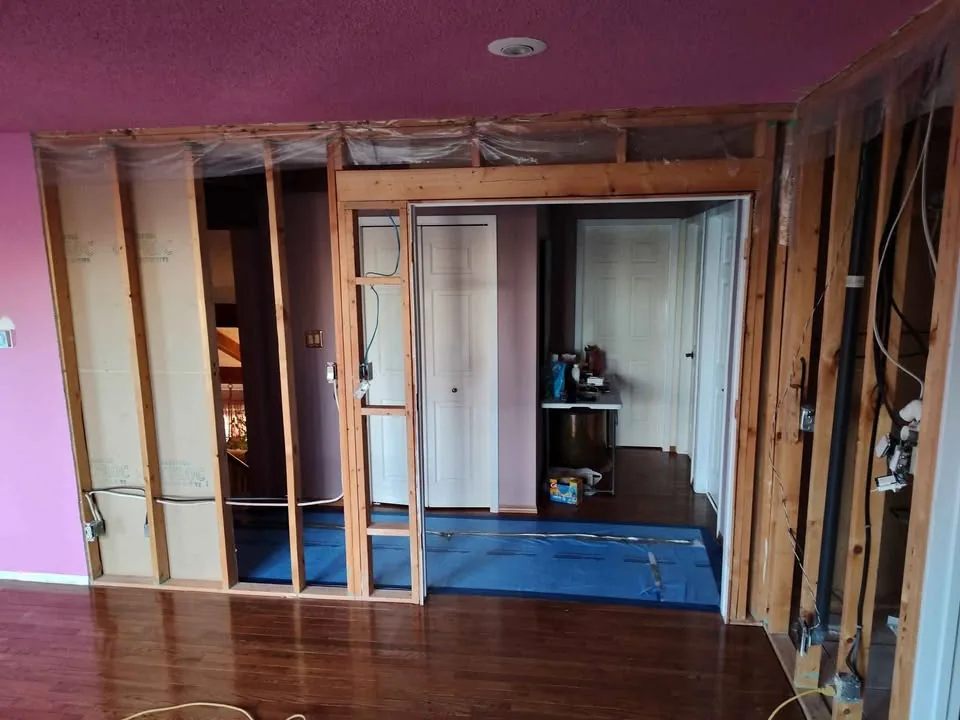
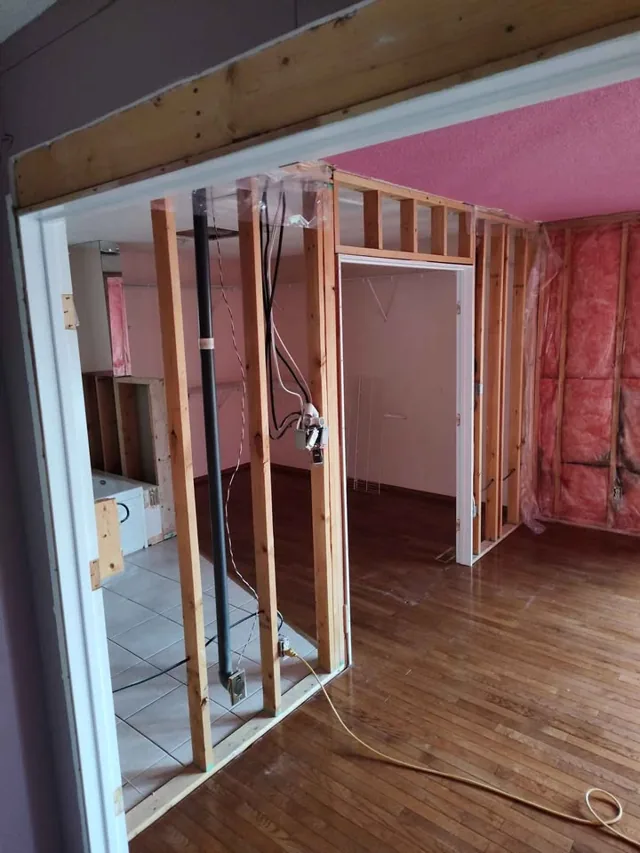
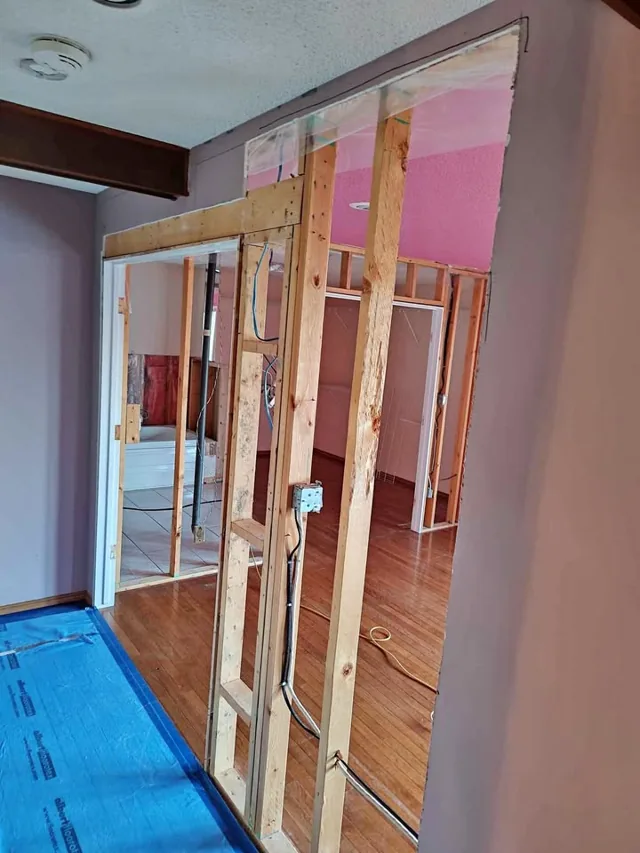
Selective removal is organised around a specific change, such as taking out a defined finish or stripping part of a room. The important question is not simply how small the area is. It is how the removal meets the part you want to keep. A visible line on a wall may not follow the edge of the material behind it.
Write down both sides of the boundary
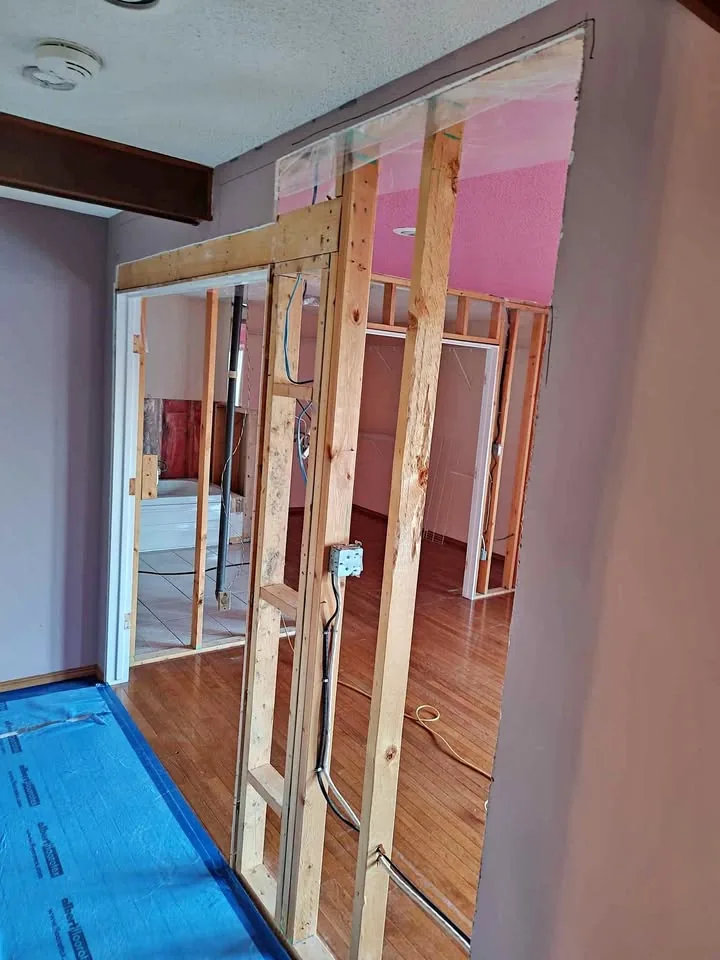
Use a marked-up photograph or simple sketch to show the proposed stop point. Identify the adjoining floor, ceiling, cabinetry and trim. Explain whether the next contractor expects a rough exposed edge or will do additional preparation. Do not promise yourself an invisible join before the underlying construction is known.
Decisions that need assessment
A partition can contain services or have a structural role even when it appears light. A limited removal does not remove the need for applicable approvals or material checks. Keep structural alterations and regulated trade work separate from the removal discussion.
- Mark retained items clearly.
- Identify who approves a boundary change.
- Discuss what happens if hidden layers extend beyond the planned line.
What to send
Give the city, room, approximate extent and reason for the change. A wide room view and a closer view of the meeting edge usually describe the intent better than a close-up alone. The first enquiry does not need a technical specification.