Define what changed
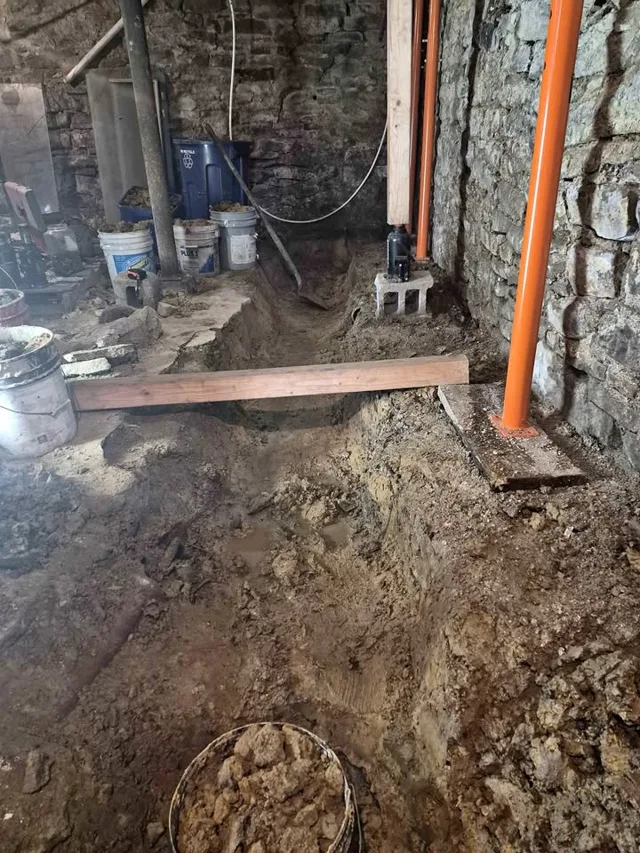
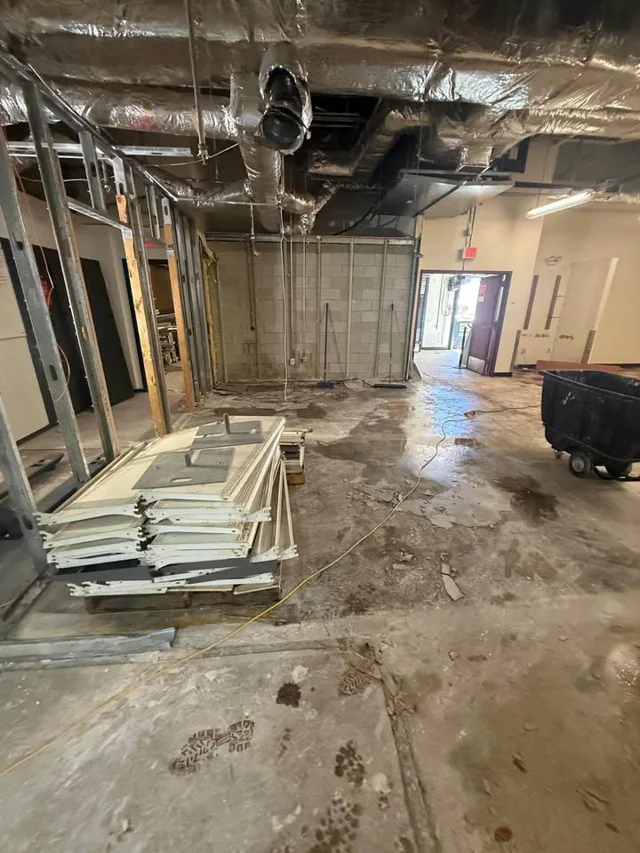
Identify the room, surface or layer involved and why the original end point no longer describes the proposed work. Keep the observation separate from any diagnosis. A newly visible condition may need the relevant professional to assess it.
Use the right decision maker
The person on site may not be authorised to approve a different design or additional removal. Name the contact who can make the decision and the people whose advice is needed. Ask how the affected work is held while that review happens.
Update the written reference
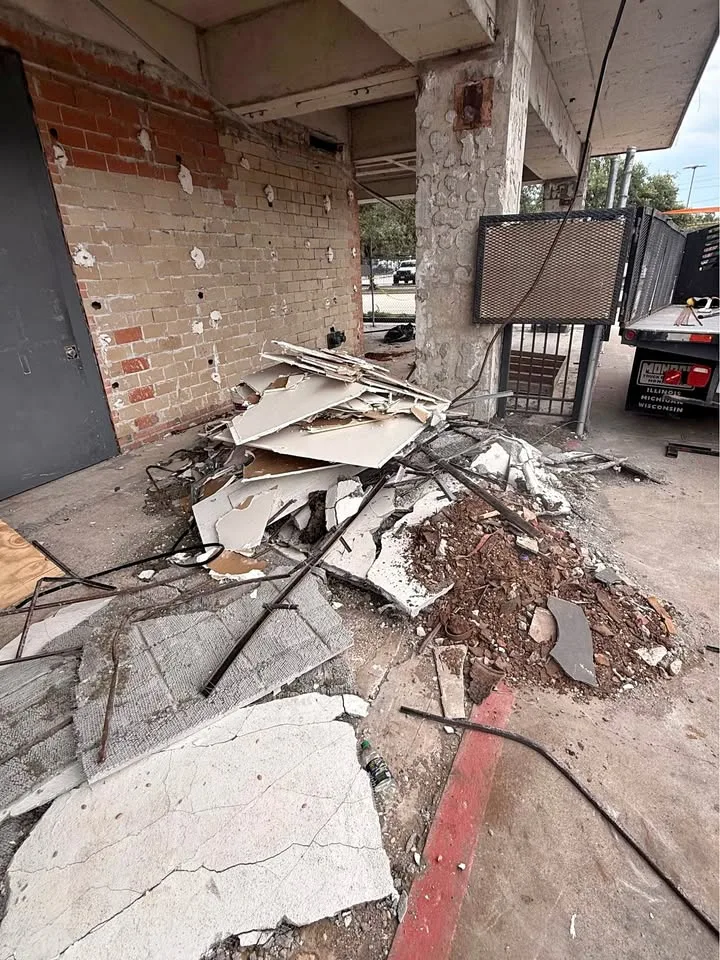
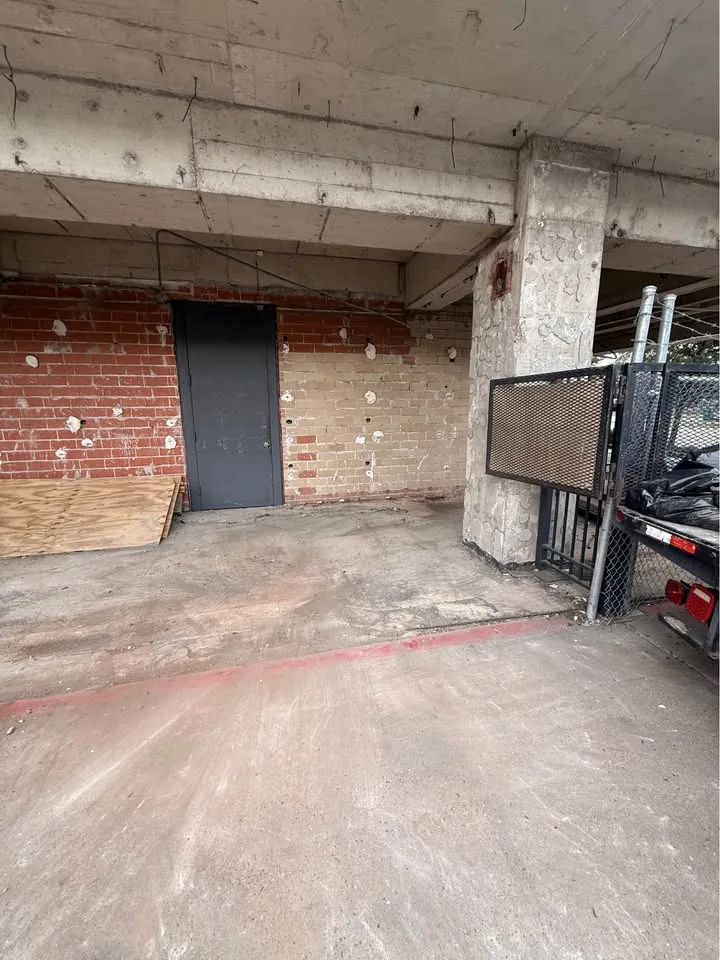
Record the revised removal and retention list, dependencies and next-trade handover. Use a marked photograph or drawing where helpful. Do not leave a new instruction only in an informal conversation if another person must act on it.
Check the practical effects
Revisit access, retained items, waste arrangements and the sequence with other trades. A boundary change can affect more than the small area where it began. Confirm the revised arrangement before treating the extra work as agreed.