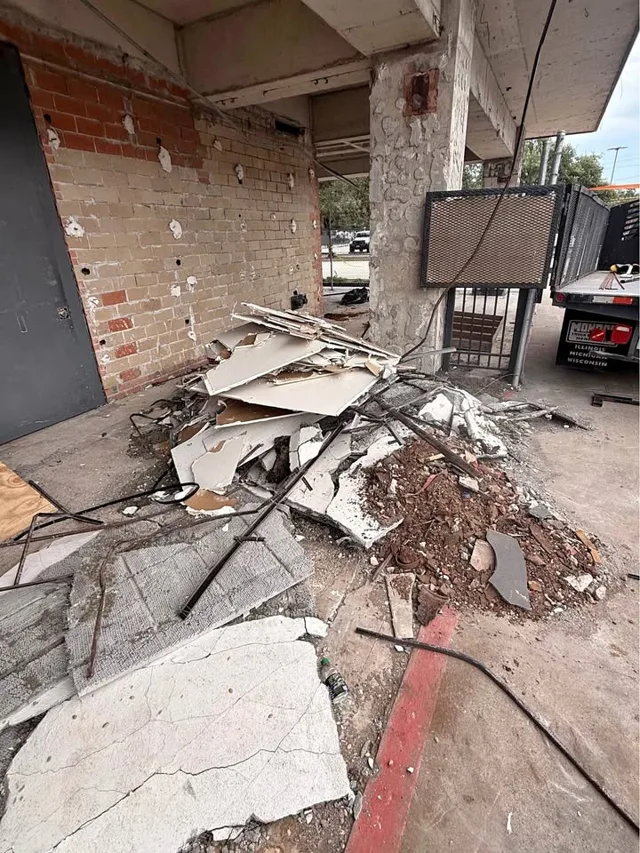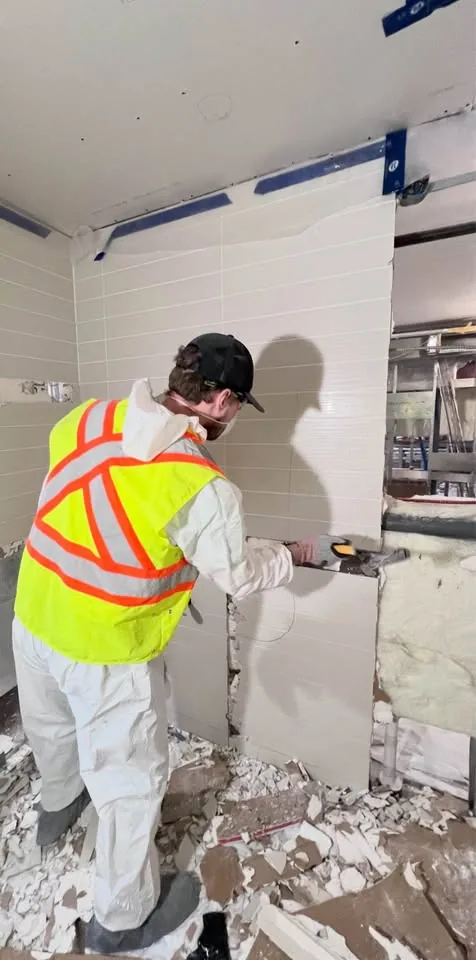
Make uncertainty visible before starting
Existing drawings, material reports and repair history can inform an assessment but may not describe every concealed layer. Record the known unknowns in the scope. Do not turn uncertainty into a promise that nothing unexpected will be found.
Choose a decision contact
Identify the person authorised to approve a changed boundary and a way to reach them. The property owner, designer and following trade may need different information. Clarify who coordinates their input so an unanswered message does not become implied approval.
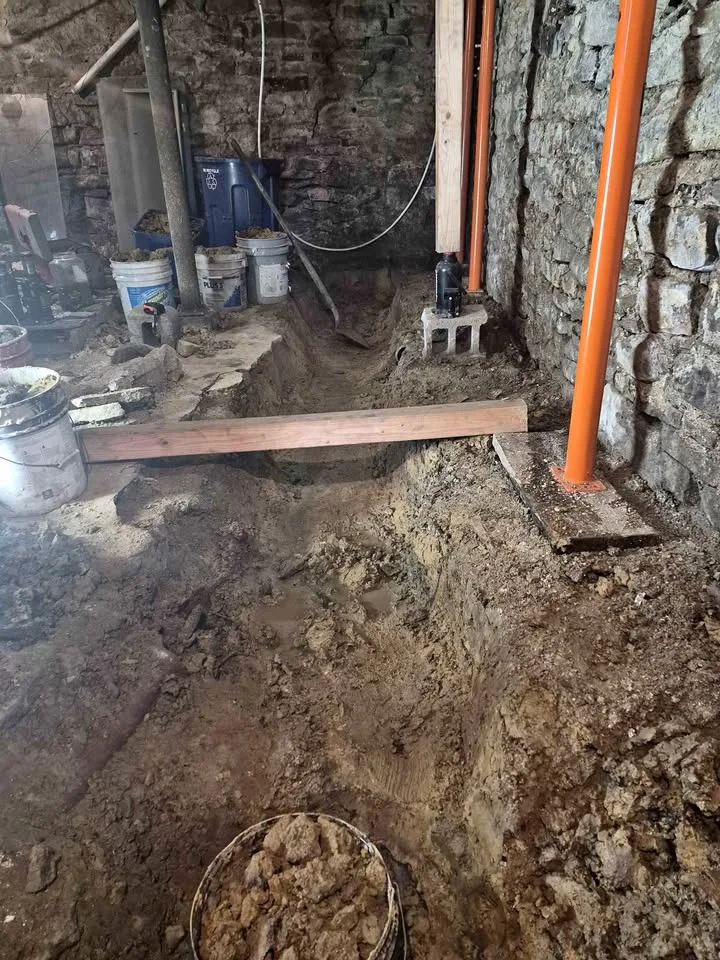
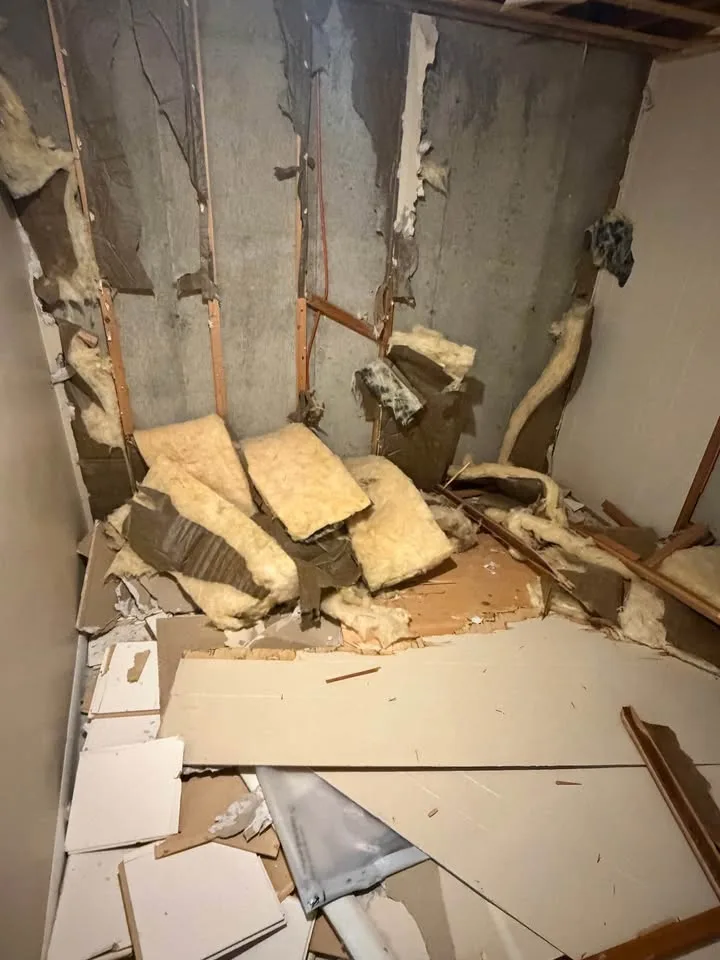
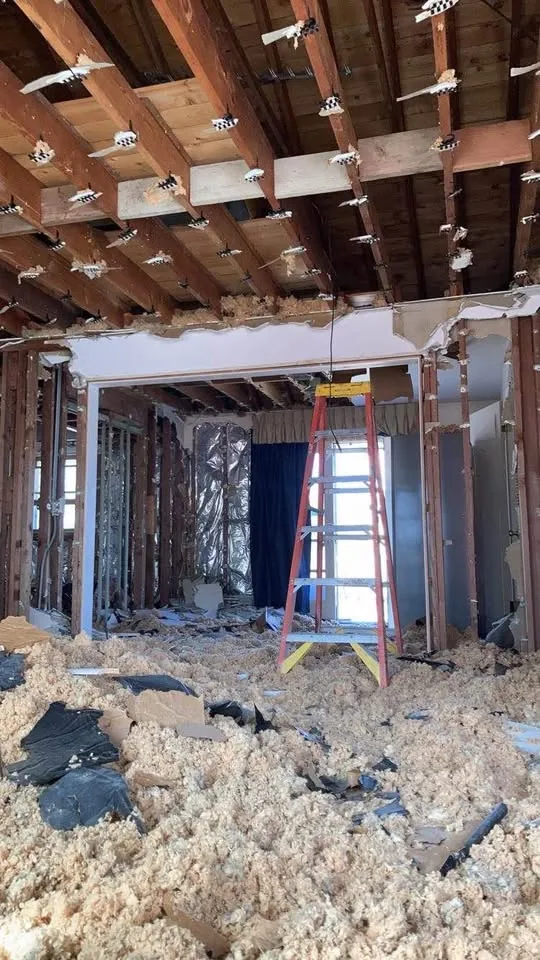
Separate a discovery from a diagnosis
Photographs and notes can document a visible condition. They do not establish whether a material is hazardous or a component is structural. Ask the appropriate professional to determine the significance before deciding on more disturbance.
Keep the revised scope traceable
If the next step changes, record the affected area, new responsibility and revised end condition. Confirm any dependencies before resuming that part of the work. A clear change record also helps the next contractor understand what they receive.