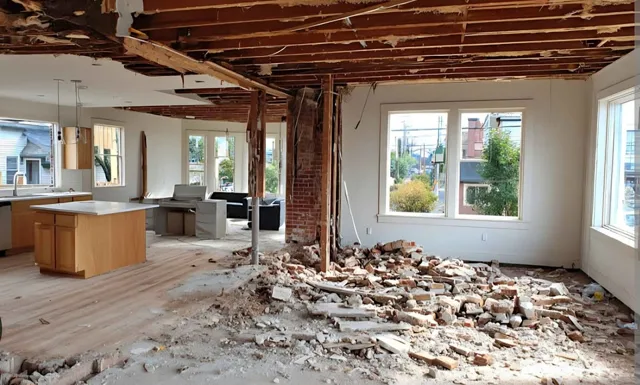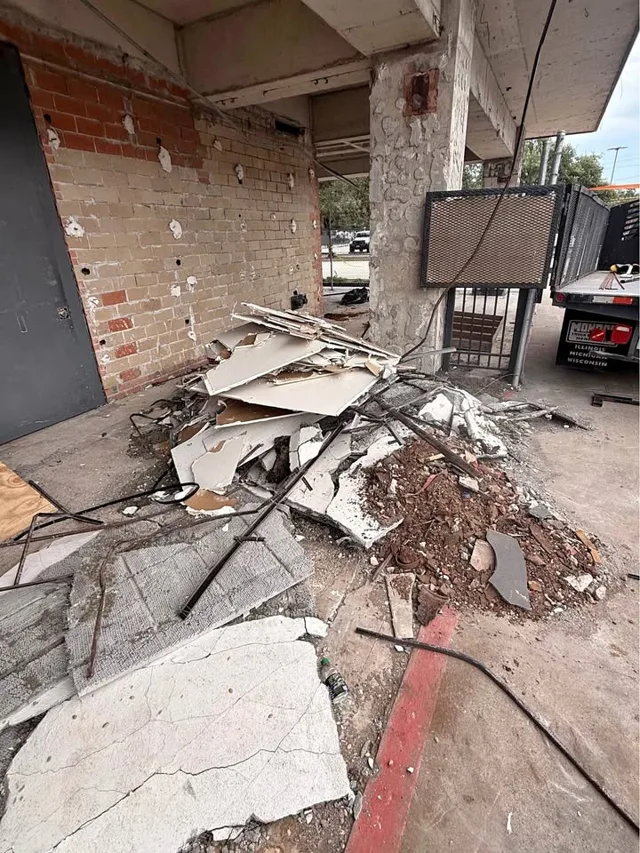
Make a specific keep list
Name the door, fixture, cabinet or other item rather than saying save anything useful. Include matching parts you need retained. Mark the item on the current plan or photograph so the intention is visible before dismantling is considered.
Keep recovery conditional
Fixings, connections and existing condition can affect whether an item can be removed intact. Ask for assessment before relying on reuse in the new design. A photograph of an apparently complete item does not establish its condition after removal.
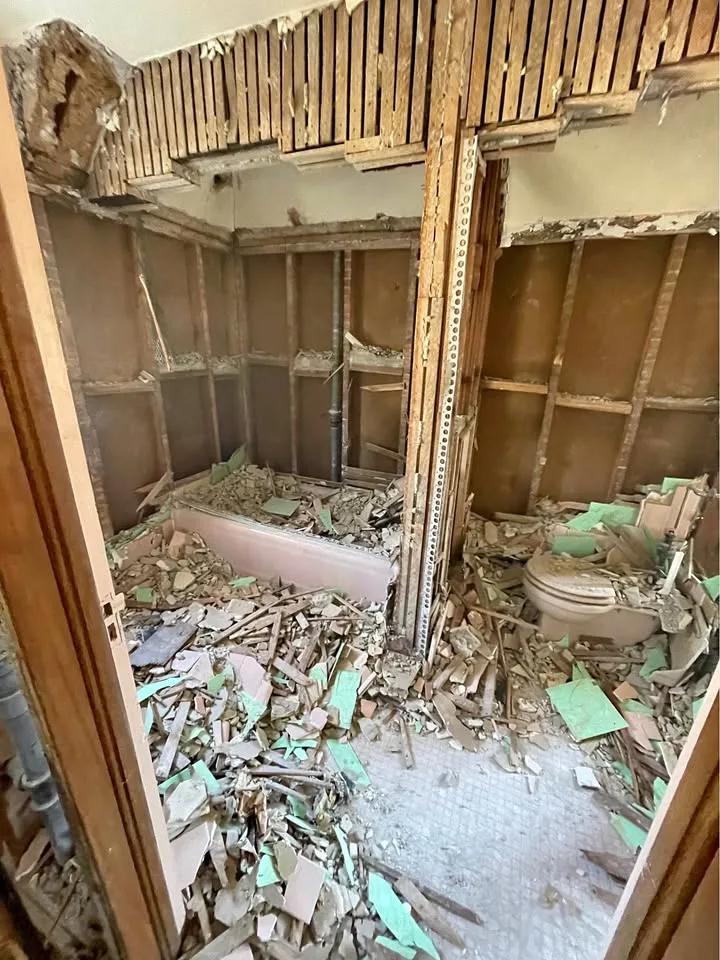
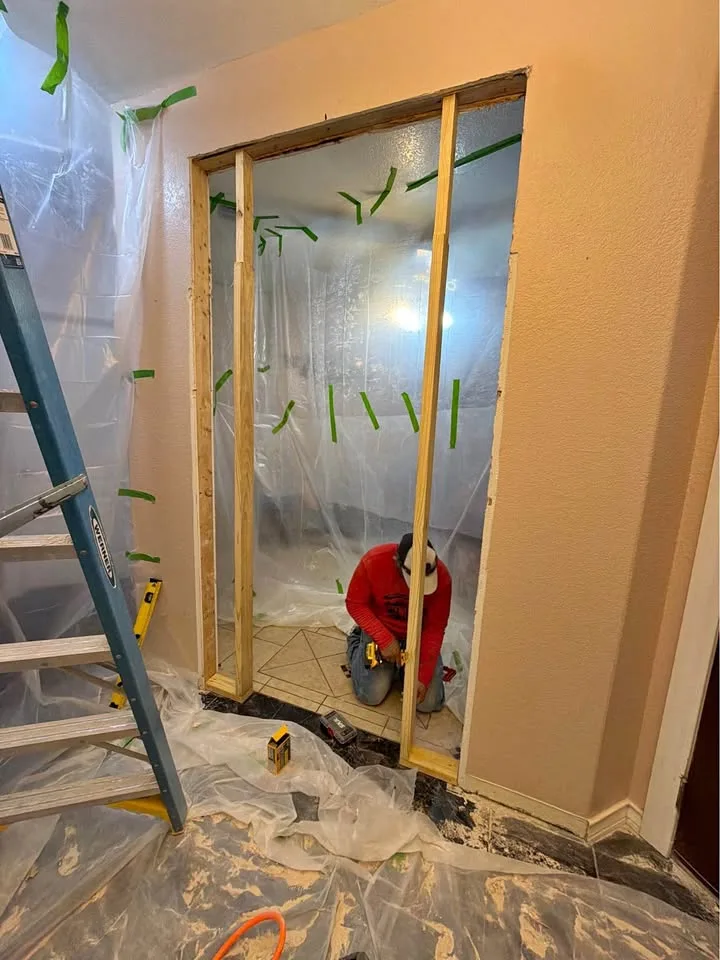
Allocate handling and storage
Confirm who disconnects, removes, packages, moves and stores each retained item. A receiving person or organisation should agree to accept it before transport is assumed. Avoid leaving the next step to an unassigned box on site.
Prepare a fallback decision
Say who can decide if the item cannot be recovered as intended and how that affects the renovation. Keep this decision with the scope-change process. Do not treat an unsuccessful salvage attempt as automatic approval to remove adjacent retained features.