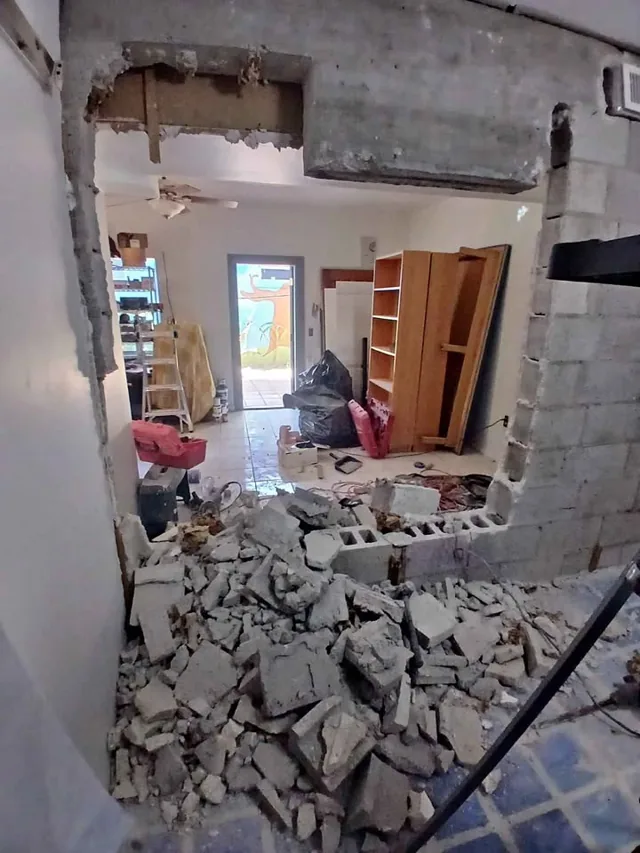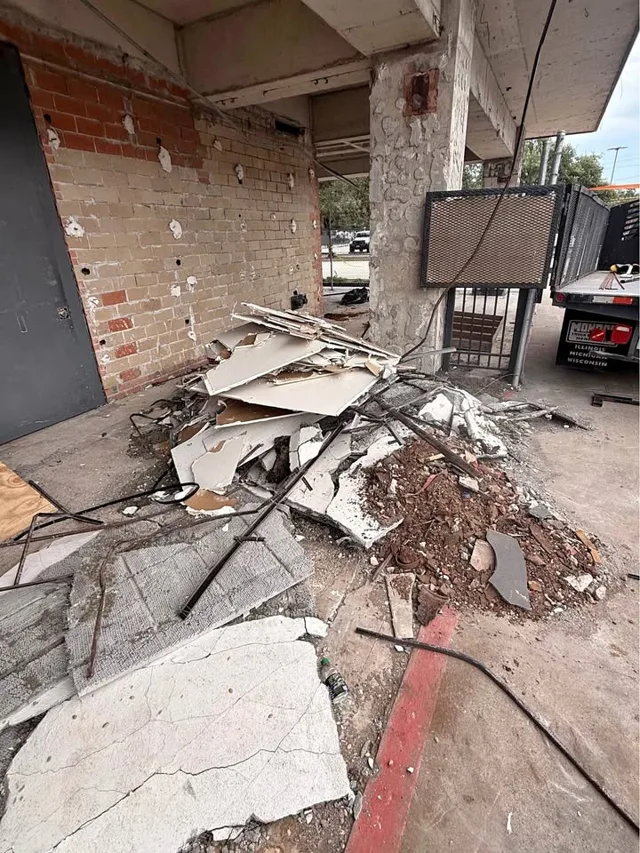
Use the latest agreed scope
Keep one current removal and retention list available. Identify the decision contact and any questions that remain unresolved. If a new instruction conflicts with the agreed plan, have the project lead settle it before that part of the work proceeds.
Confirm the practical arrangements
Check that loose contents are in the agreed place and the access route is available. Confirm building bookings and the arrangements for keys or access instructions through a secure channel. Do not place private codes in the public enquiry form.
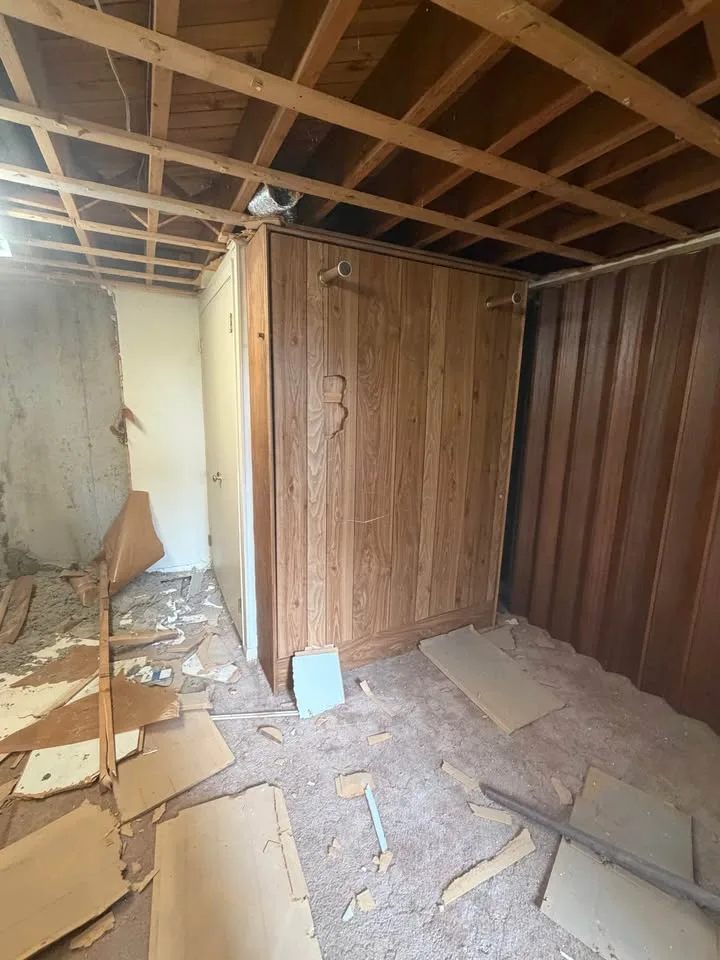
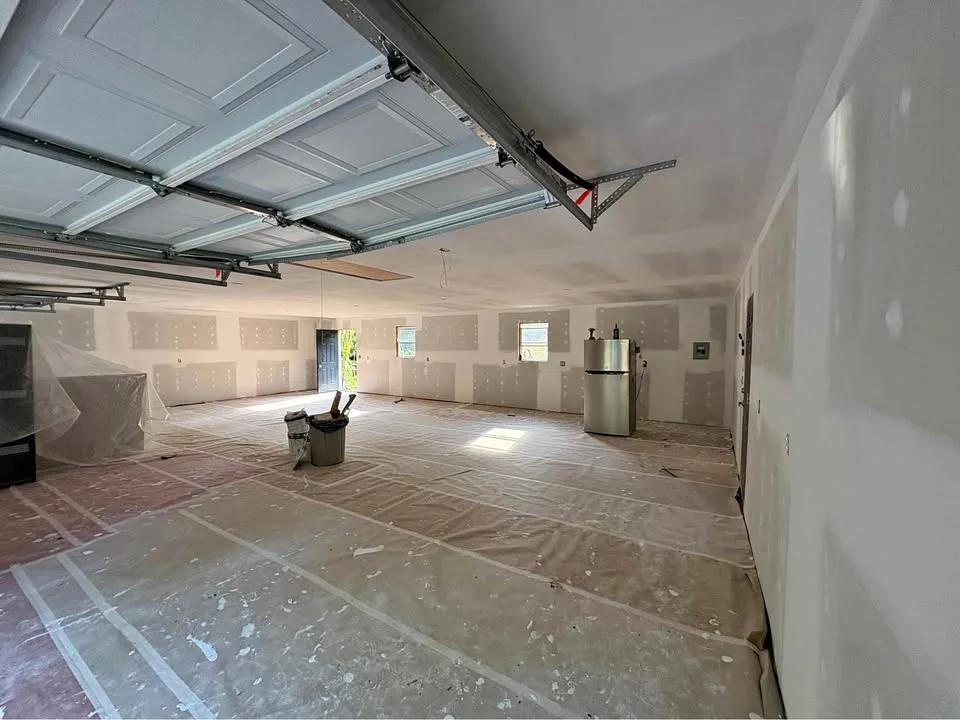
Verify readiness through the right people
Ask the responsible parties to confirm permissions, service work and material assessments as applicable. An empty room is not proof that those dependencies are complete. Avoid doing fixed removal yourself as a last-minute preparation step.
Plan communication during the work
Agree how questions and changes are raised and who can authorise them. Keep household members and building contacts aware of the agreed access arrangements. If the plan changes, review readiness again rather than relying on an earlier checklist.
Keep unresolved items visible
Use three headings: confirmed, waiting for someone else and still undecided. Put the decision contact beside every waiting item. If the service confirmation or removal boundary is still unresolved, tell the project lead rather than marking the room ready because the cupboards are empty. This is a communication record, not a technical clearance.