Name what is known
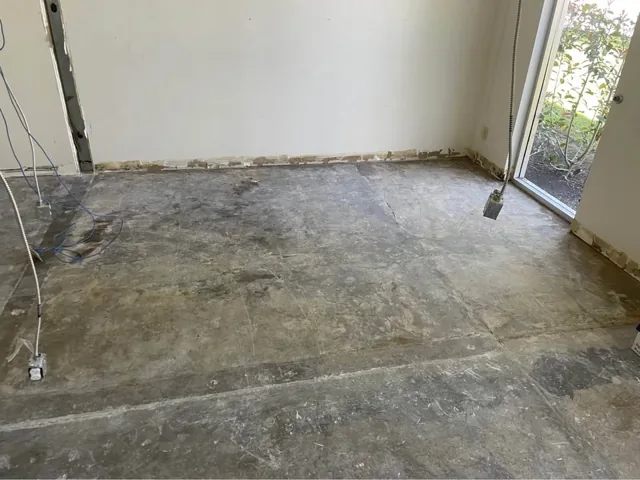
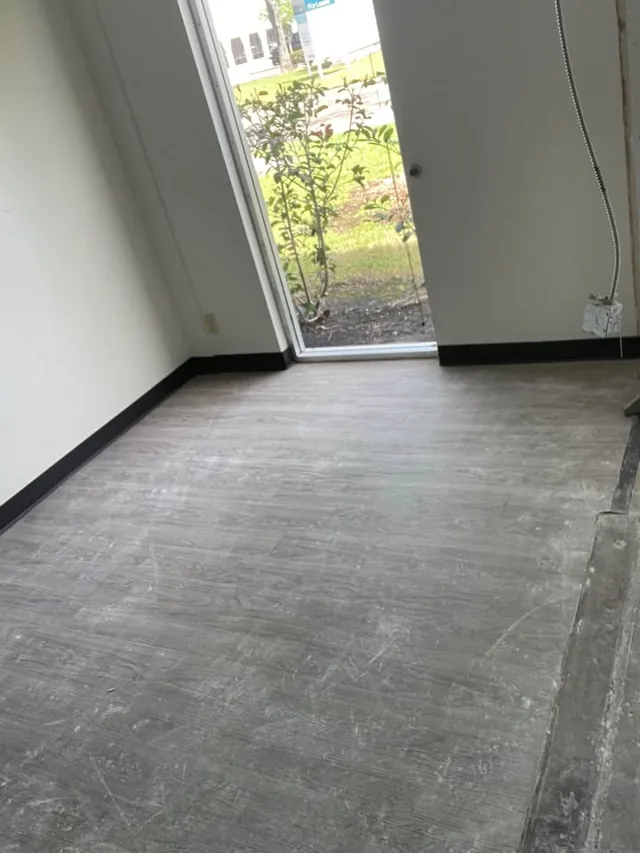
Describe the surface you can see and any existing information about the layers below. If you are unsure whether a floor is glued or floating, say so. A material name or photograph alone does not settle the full removal method or extent.
Connect the layers to the new installation
Ask the flooring installer what needs to remain and what must be removed for the proposed system. Their answer may distinguish finish removal from adhesive treatment, levelling or substrate repairs. Keep each responsibility visible in the scope.
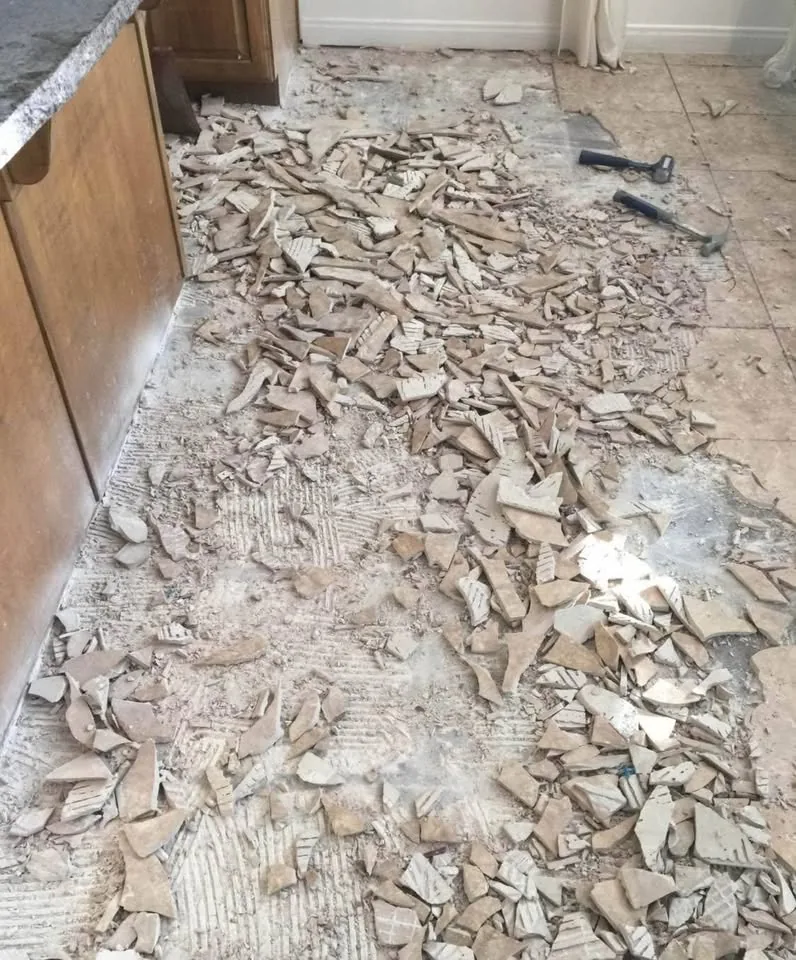
Do not investigate by disturbing
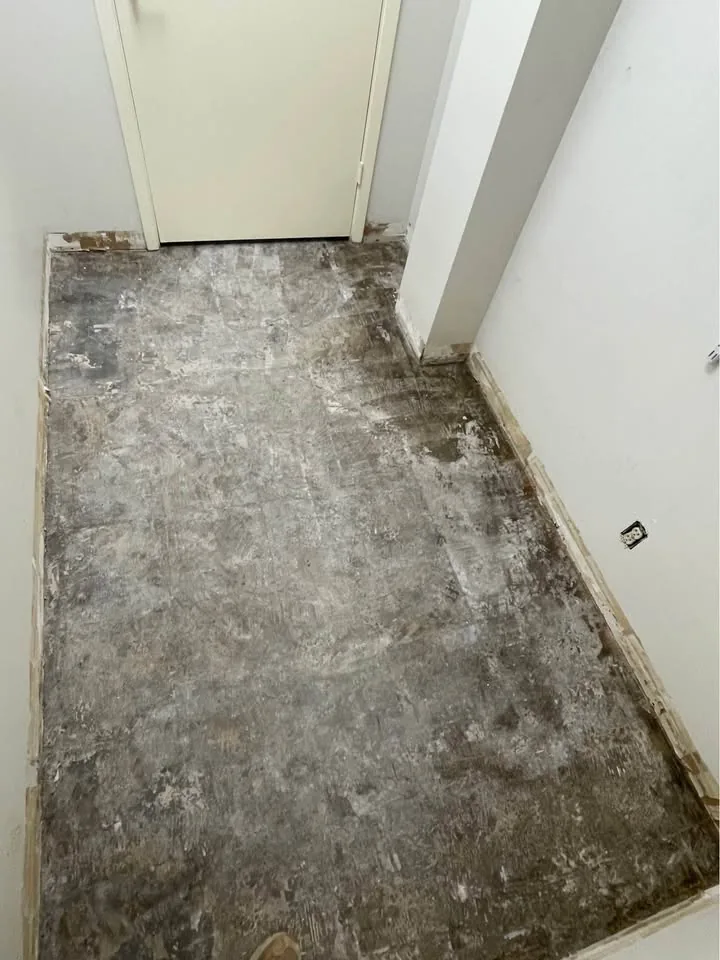
Older layers and adhesives may require assessment. Leave them undisturbed until the appropriate checks have been made. There is no need to lift a corner or scrape a surface for the first enquiry. Existing reports are more useful than an improvised sample.
State the stopping point
Write the intended end condition in plain language and identify uncertain layers for review. Include thresholds, skirting and retained neighbouring floors. If conditions differ once the agreed area is exposed, use a recorded scope change rather than an assumption.
Tile, underlayment and subfloor are separate decisions
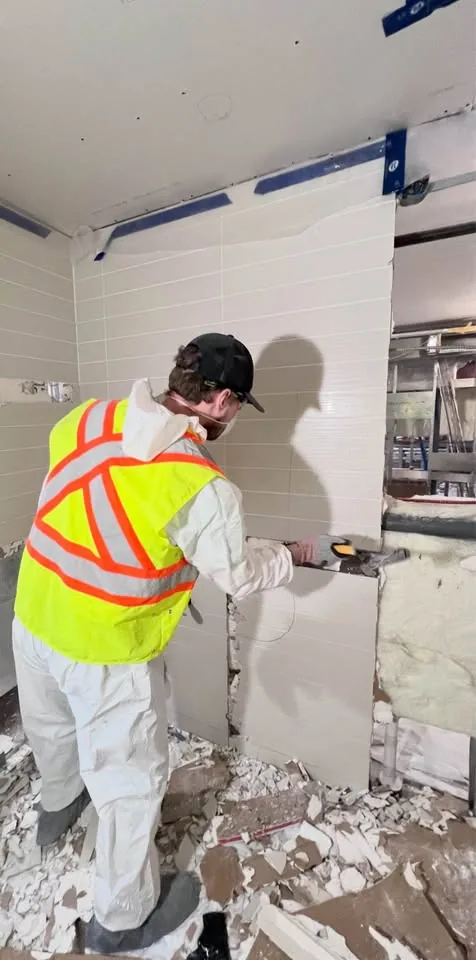
For a tile floor, ask whether the removal list includes the tile finish, the setting material beneath it and any underlayment. Underlayment is a layer between the finish and the supporting floor; removing it is a different decision from removing the subfloor itself. Keep unknown layers marked as unknown until assessed. Ask the new installer to name the layer they expect to receive rather than requesting that everything comes up.
Wood flooring: explain attachment and reuse
For hardwood or engineered wood, share existing information about how it was installed, if you have it. Ask whether boards are fixed, bonded or part of a floating assembly, and whether trim and thresholds are included. If you hope to reuse boards, raise that before scope approval. The enquiry is about assessing removal; it does not promise salvage, refinishing or a particular method.