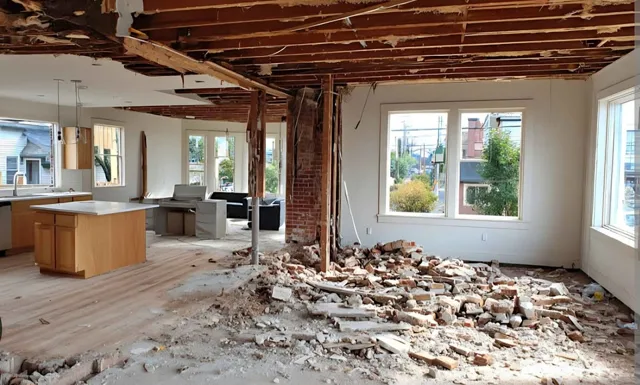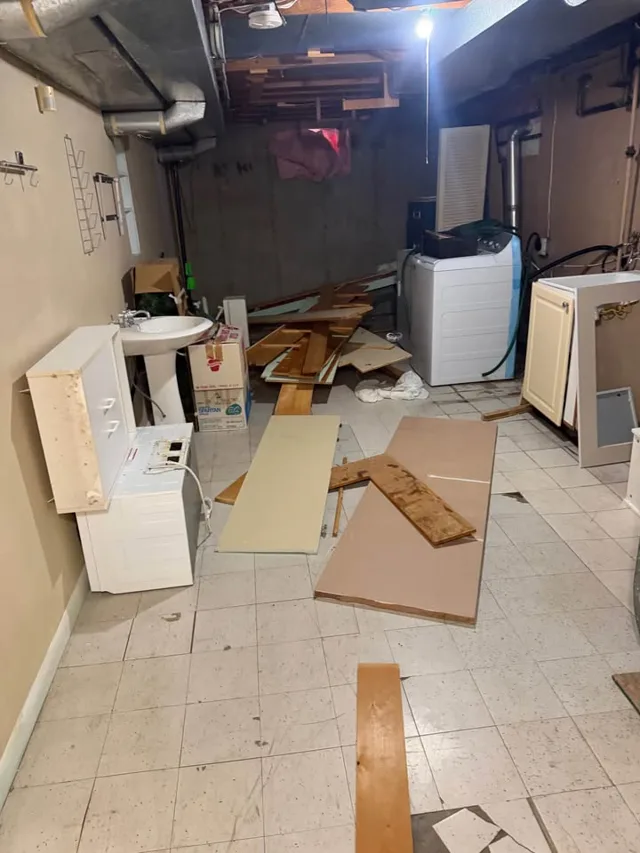
Empty by category
After the work arrangements are confirmed, organise food, dishes, small appliances and cleaning supplies into separate groups. Keep items needed during the renovation accessible outside the work area. Do not put packed boxes in the planned route between the kitchen and the exit.
Give retained items their own list
Mark the appliances, cabinet sections, handles or fixtures you hope to keep. Confirm who disconnects, removes, carries and stores each one. A salvage intention is not the same as an agreed recovery method, and concealed fixings may affect what can be retained.
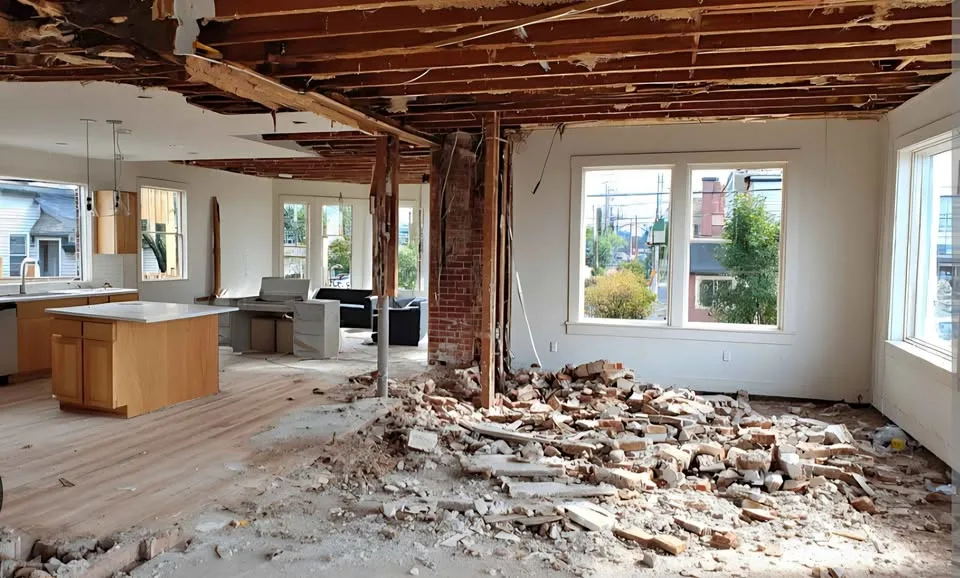
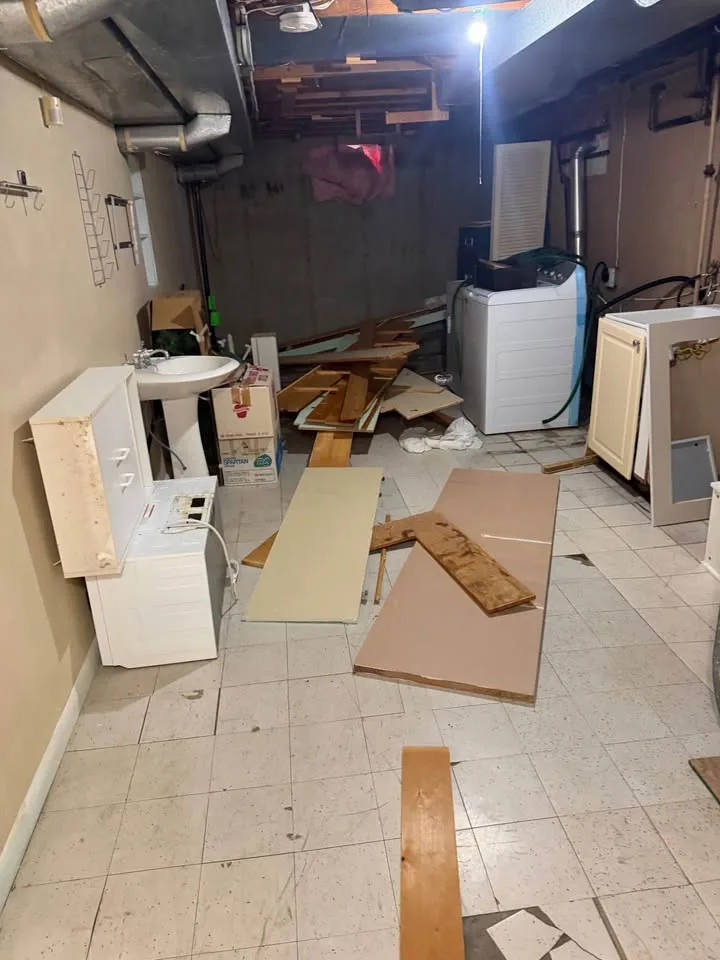
Check readiness with the project lead
Ask who verifies service isolation, material assessments and any relevant permissions. Leave fixed or connected items alone until the appropriate parties have dealt with them. Avoid removing a backsplash or floor section as a head start.
Use a final walkthrough
Review the removal boundary and the retained floor, doorways and adjoining rooms. Keep the latest scope available to the people doing the work. Decide who can answer a question during the removal stage and how a change will be approved.
- Contents moved to an agreed place.
- Retained items identified.
- Dependencies assigned to named roles.
- Access route and decision contact confirmed.
A compact readiness record
Write one line for each retained appliance: item, connection trade, handling contact and storage destination. Then record the removal boundary for cabinets, countertop, backsplash and floor separately. For example, a hypothetical cabinet replacement might retain the floor but leave the backsplash undecided until the installer reviews the junction. Mark that uncertainty before anyone treats it as included.