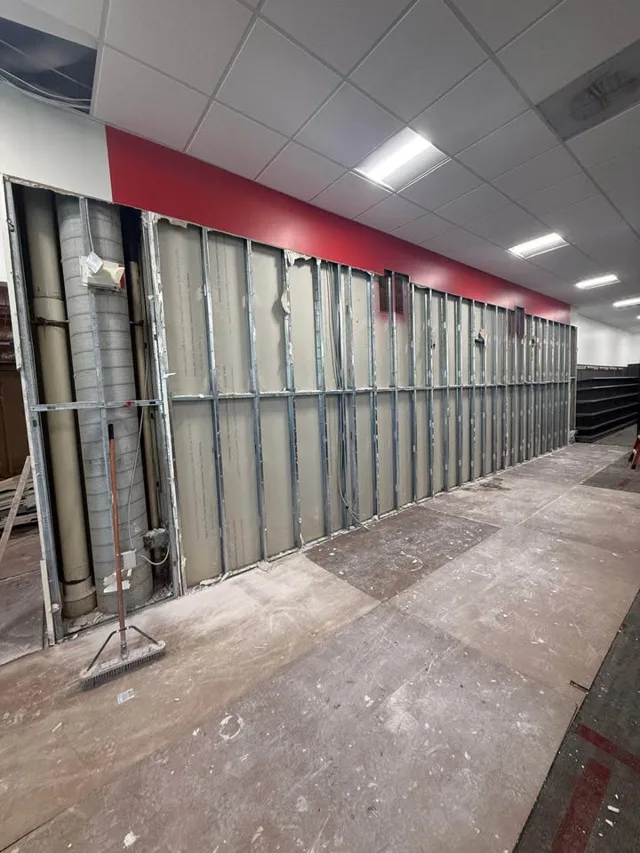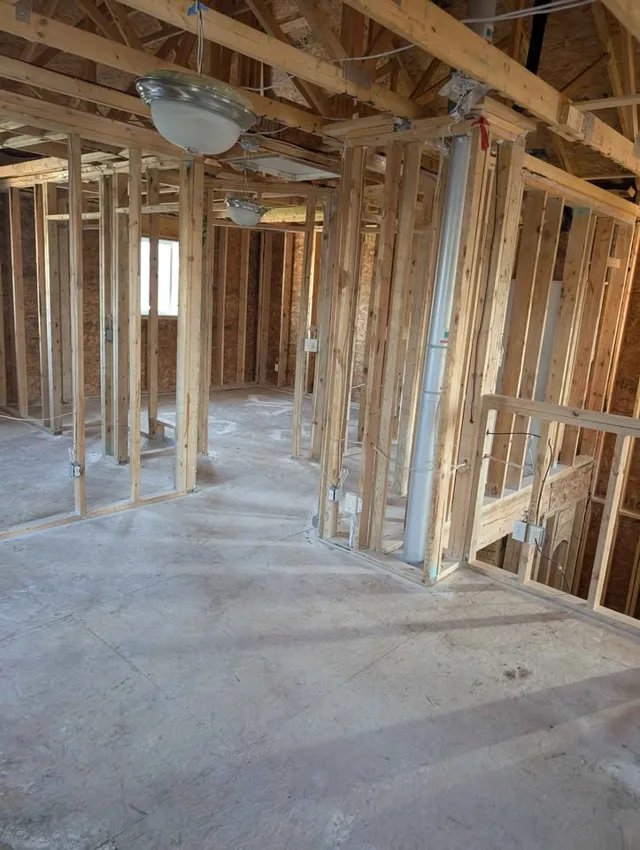
Ask for the written end condition
Use the lease or landlord’s current handback instruction as a starting point. Identify the person who can interpret an unclear item. Do not rely on a verbal request to return the unit to empty when base-building assets and tenant fixtures are mixed.
List ownership questions
Partitions, ceilings, signs, floor finishes and mechanical components may need different treatment. Mark items whose ownership or required condition is unclear. Have those questions resolved before assigning them to the removal scope.
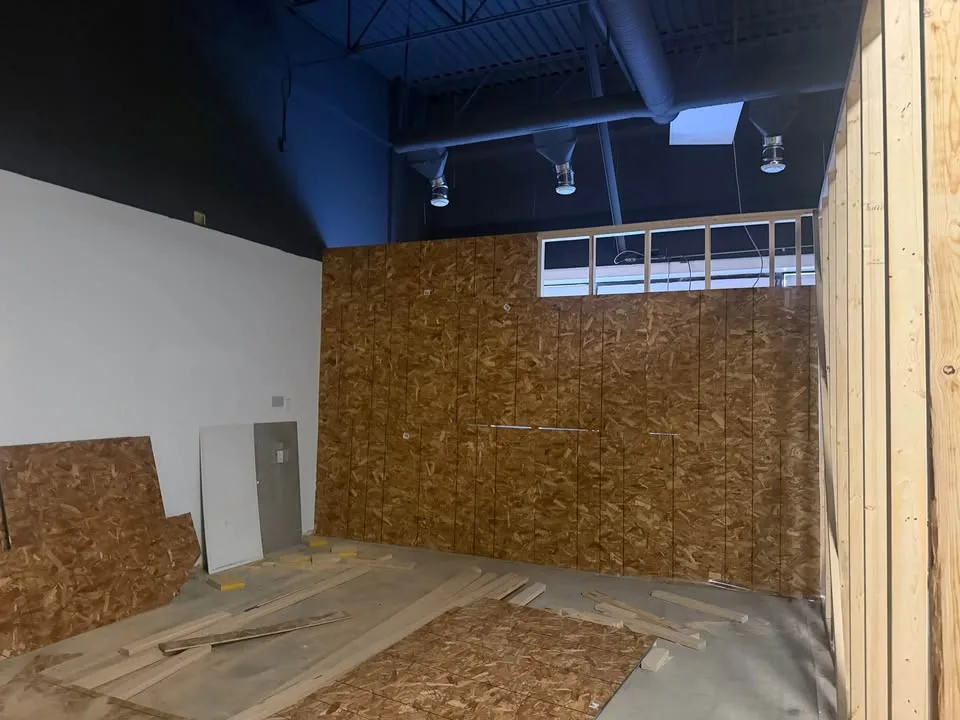
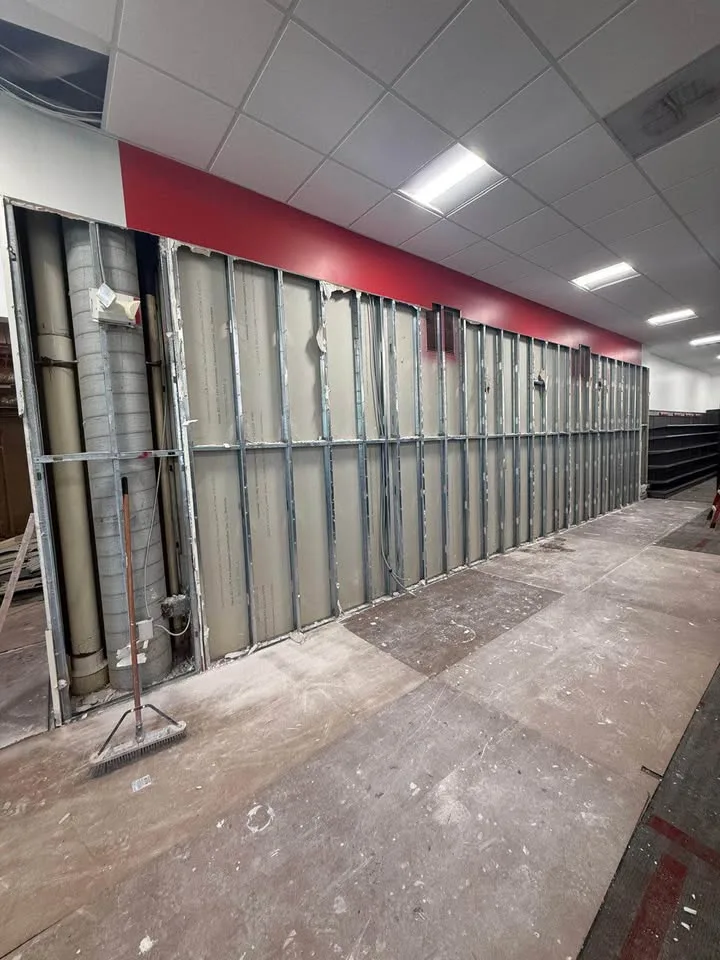
Coordinate specialist systems separately
Fire systems, electrical services, plumbing and other regulated work need the appropriate parties. A strip-out photograph does not demonstrate permission to remove a particular system. Record the approvals and responsibilities that the agreed scope depends on.
Define the inspection and records
Ask who accepts the space, what they need to inspect and which documents accompany handback. Keep removal completion distinct from landlord acceptance and the next tenant’s readiness. Use the same current scope for everyone involved.
Keep a handback schedule
Use one row per item with columns for location, ownership, remove or retain, required end condition and approving contact. For an uncertain ceiling fixture, record the question instead of assigning it to demolition. Attach the current landlord instruction to the schedule so an access coordinator does not have to interpret a lease requirement on site.