Start from the agreed end point
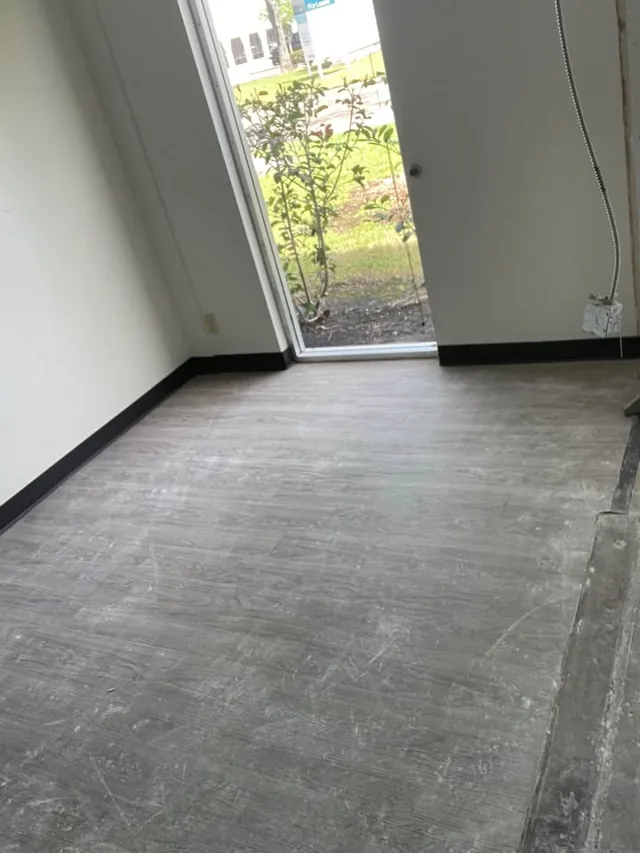
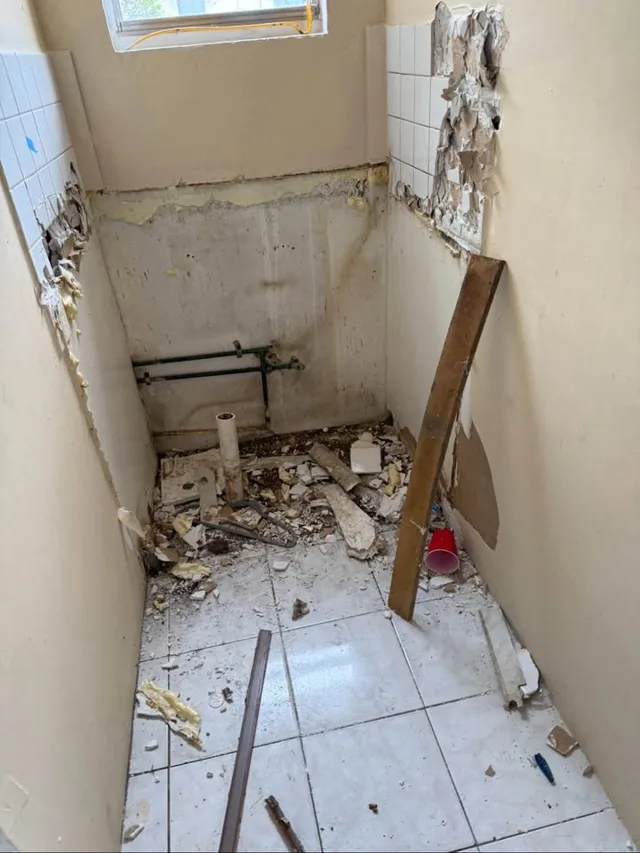
Give the following contractor the current removal scope and any approved changes. Identify the rooms or surfaces completed and the items intentionally retained. A fresh set of photographs is useful when paired with room labels and the scope.
Distinguish observation from acceptance
Record visible conditions without diagnosing them. Ask the appropriate professional to assess issues relevant to their work. The removal team’s description of what is exposed is not automatically the installer’s acceptance of that condition.
List remaining responsibilities
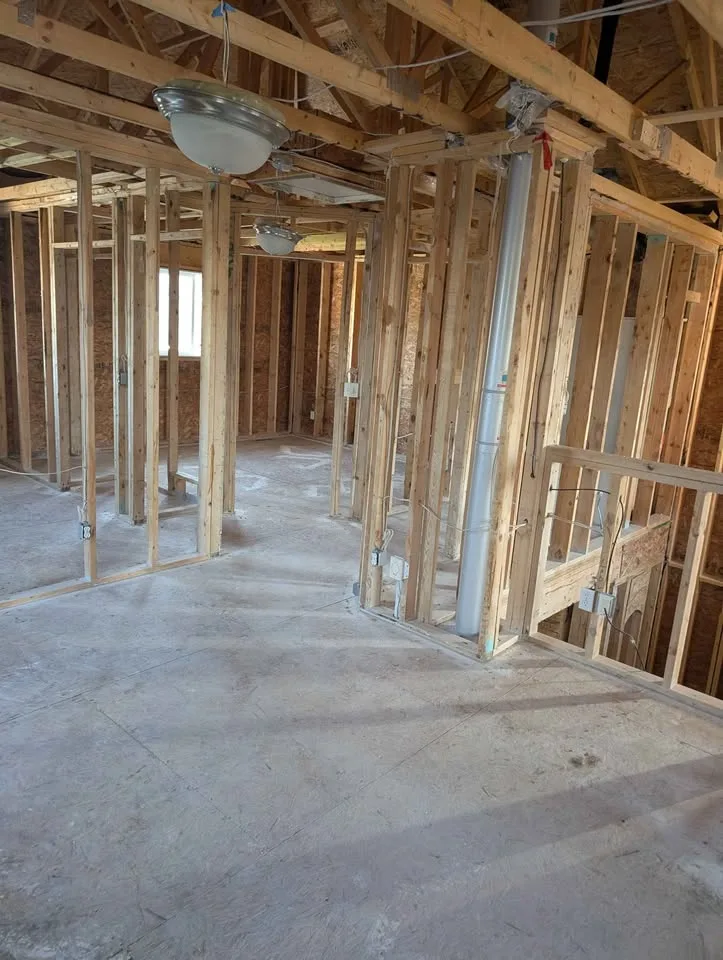
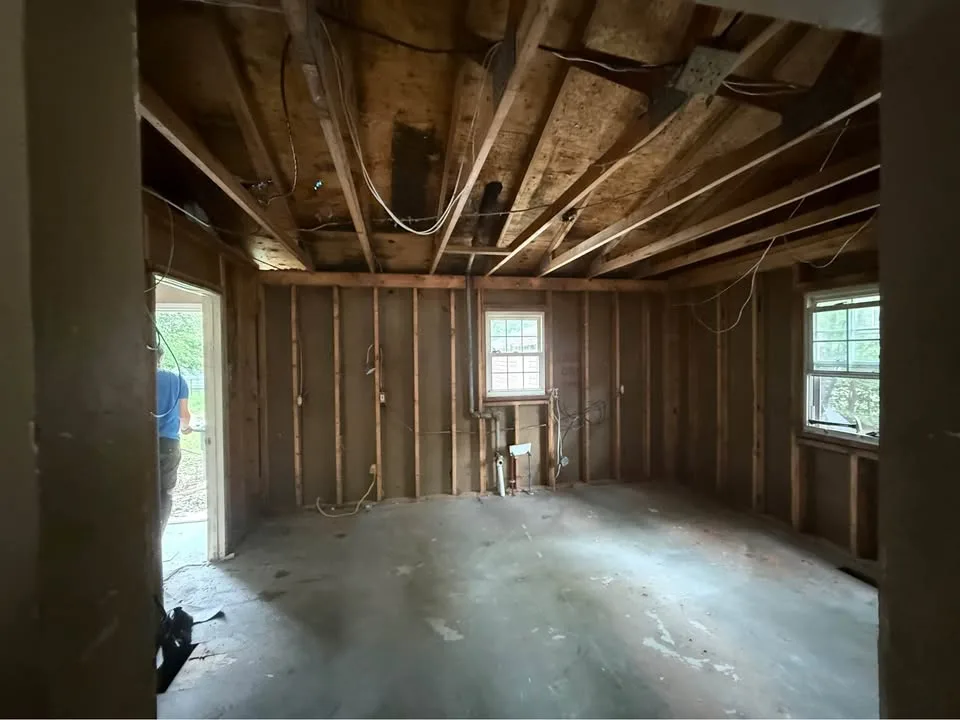
Identify substrate repairs, service work, inspections or specialist assessments still needed. Name the responsible role and the information required for the next decision. Avoid placing every unresolved task under a vague cleanup heading.
Keep one version of the record
Share the final handover through the agreed project channel and make it clear which version supersedes earlier notes. A short accurate record is more useful than a large collection of unlabelled photos or an assumption that everyone saw the same site condition.
Use a short handover note
Record the room, the removal completed, retained items, approved scope changes and open questions. Add who reviews each open question before the next installation. For example, exposed floor condition awaiting installer review is a useful observation; ready for new flooring is an acceptance claim that belongs to the responsible installer.